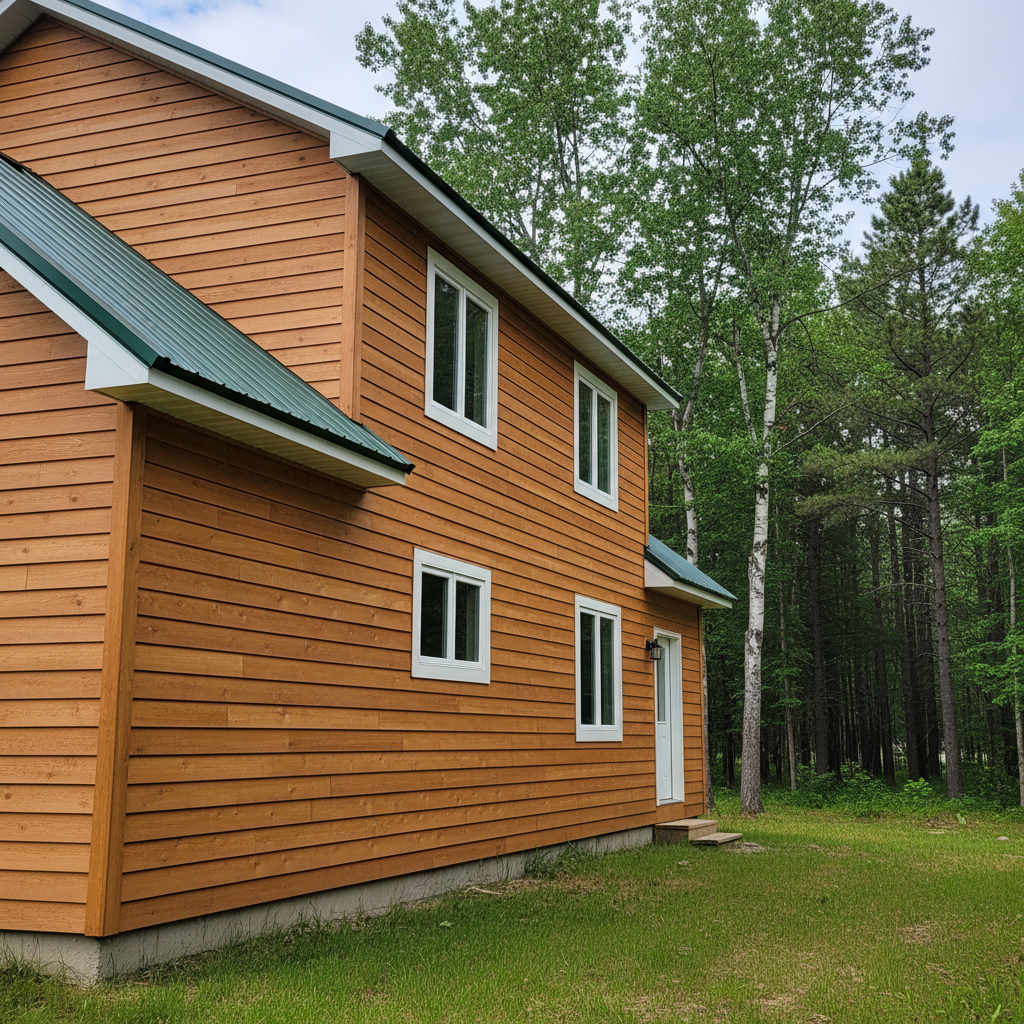
So, you're thinking about new wood siding for your place, huh? Maybe your old stuff is just worn out, or you're building fresh. It’s a pretty big deal, and wood siding, when it's put up right, looks amazing and really stands up to our Minnesota weather. But, boy, I've seen plenty of folks right here in Cloquet make some real head-scratchers that could have been totally avoided. Let's chat about what to keep an eye out for.
Mistake #1: Not Really Knowing Your Wood Type
This one's huge. Not all wood siding is the same, not by a long shot, and what works great in, say, Arizona? That's not going to cut it here. I've watched people get talked into cheaper options that just aren't a good fit for our climate. You've really got to think about how it handles moisture, those wild temperature swings, and even pests.
- Pine or Fir: Sure, it costs less upfront. But if it doesn't get the right treatment and upkeep, it'll swell, shrink, and rot way faster than you'd like – especially with our wet springs and heavy snow. You'll be looking at repairs before you know it.
- Cedar or Redwood: These woods naturally fight off rot and insects because of their oils. They cost more, yes, but they last longer and handle the humidity we get off the St. Louis River much better. Think of it as an investment, not just another bill.
- Engineered Wood: This is a completely different animal. It's usually a mix of wood fibers, resins, and waxes. Some types are genuinely good, built to resist moisture and pests. Others? Not so much. You really need to know the brand and what kind of warranty it comes with. Don't just assume 'engineered' means 'better,' because it doesn't always.
Ask your contractor what wood they'd recommend and why. If they can't clearly explain the good and bad points for our specific climate – that's a definite warning sign. You want someone who truly gets how Cloquet's freeze-thaw cycles impact different materials.
Mistake #2: Ignoring Proper Installation Techniques
Even the best wood siding will fail if it's not installed correctly. I'm not just talking about nailing it to the wall, either. There's a whole system involved, and trying to cut corners here is just asking for trouble.
- Improper Flashing: This is critical. Flashing around windows, doors, and corners guides water away from your house. If it's not done right, water sneaks behind the siding, and then you've got rot, mold, and structural damage. I've seen homes in the Fond du Lac neighborhood where water damage from bad flashing ended up costing homeowners tens of thousands to fix.
- No Rain Screen or Drainage Plane: Modern building science teaches us that a tiny air gap behind the siding, or at least a good drainage plane (like house wrap), is super important. It lets any moisture that gets behind the siding dry out. Without it, moisture gets trapped, and your wood siding will just degrade much faster.
- Incorrect Fasteners: Using the wrong kind of nails or staples can lead to rust stains, or even worse, not hold the siding securely. You need fasteners that resist corrosion and are long enough to really dig into the studs, not just the sheathing.
- Poorly Spaced or Over-driven Nails: Wood expands and contracts, right? If nails are too tight or too close together, the wood can crack or buckle. And if they're not driven in properly, they won't hold, and your siding could come loose.
A good contractor will walk you through their installation process and explain why they do things a certain way. If they just say,