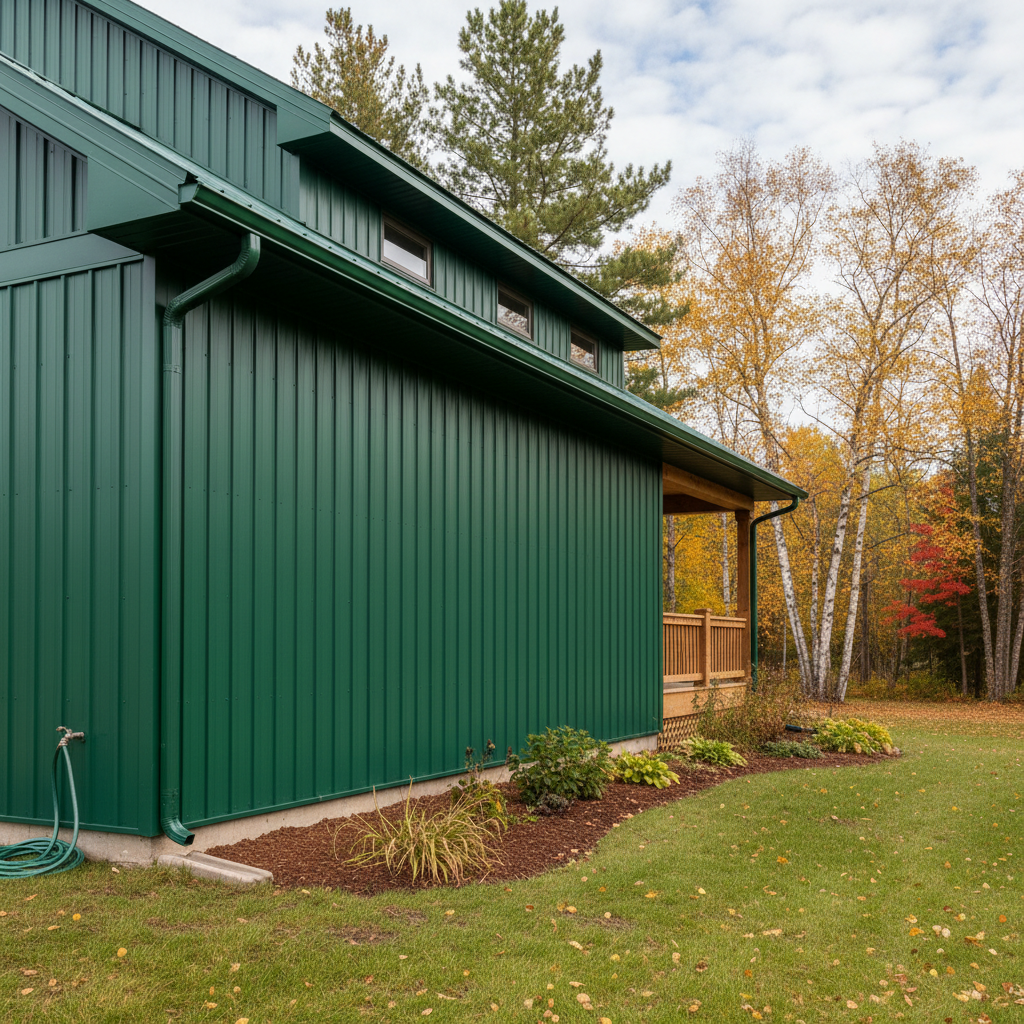
You picked metal siding for a reason, didn't you? It's tough, doesn't need much looking after, and honestly, it stands up to our wild Cloquet weather way better than a lot of other options out there. But "low-maintenance" doesn't mean "no-maintenance." If you want that siding to actually last as long as it's supposed to — we're talking 40, 50, even 60 years — you've got to give it a little bit of love. Think of it like changing the oil in your truck; you wouldn't skip that, right?
Making Your Metal Siding Last Longer
The single biggest thing you can do to make your metal siding last starts with how it's put on. If it's not installed correctly, you're pretty much fighting an uphill battle from day one. Good flashing around windows and doors, making sure it's fastened properly, and allowing water to drain away are all absolutely crucial. That's where a good, trustworthy contractor, like us at Classic Siding Solutions, really comes in handy. We've seen far too many shortcuts turn into massive headaches down the road.
Beyond that, it's all about keeping the finish protected. Most modern metal siding comes with a fantastic paint finish that holds up really well, but it's not indestructible. Avoid using harsh, abrasive cleaners or chemicals that could strip away that protective layer. If you've got trees hanging over your house, trim them back. Falling branches, or even just constant rubbing, can scratch the surface, leaving it open to the elements.
Regular Upkeep: What You Should Be Doing
This isn't brain surgery, folks. Mostly, it just means keeping things clean and checking for problems. I always tell people to do a good visual inspection twice a year — once in the spring after all the snow melts, and then again in the fall before winter really kicks in.
- Cleaning: You don't need to power wash your house every single month. A quick rinse with a garden hose usually does the trick for everyday dirt and dust. For tougher stuff, like pollen or mildew, a soft brush with a mild detergent (dish soap works great) and water works wonders. Just be sure to rinse it all off thoroughly. Pay extra attention to spots that don't get much sun, like the north side of your house, since they're more likely to get mildew.
- Check for Scratches & Dents: Take a walk around your house. Look for any dings from hail, a stray baseball, or even the kids' bikes. Small scratches can often be touched up with a color-matched paint kit from the manufacturer. Deeper dents, though, might need a professional fix to keep water from getting in.
- Inspect Sealants & Flashing: This is a big one. Check all around your windows, doors, and any spots where things poke through, like vents or utility lines. Is the caulk cracked, peeling, or missing? That's basically an open invitation for water. Make sure your flashing is still tight and doing its job, too.
- Clear Gutters: Overflowing gutters are truly a siding's worst enemy. They'll just dump water right onto your siding, which can lead to streaks, potential moisture issues, and even ice dams in winter that can force water behind the panels. Keep those things clean!
Warning Signs of Trouble
Catching problems early on saves you both money and a lot of headaches. Here's what you should be looking out for:
- Peeling or Blistering Paint: This is a pretty clear sign the finish is giving up. It can happen because of age, low-quality material, or if it wasn't put on right. Once the paint goes, the metal underneath is exposed, and rust isn't far behind, believe me.
- Rust Spots: Even galvanized or aluminum siding can rust if that protective coating gets messed up. Small spots might be fixable, but widespread rust usually means bigger trouble.
- Loose Panels: If you see panels bowing out, rattling in the wind, or pulling away from the wall, that's a structural problem. It could be the fasteners failing, or even issues with the framing behind the siding itself.
- Water Stains Below Windows or Vents: This almost always points to a flashing or sealing issue. Water is finding its way in where it shouldn't be.
- Increased Energy Bills: Sometimes, failing siding isn't something you can see from the outside. If your heating or cooling bills suddenly jump up, it could be that your siding isn't insulating or sealing things as it should.
Especially with our freeze-thaw cycles here in Cloquet, any tiny opening can become a huge problem when water gets in and expands. I've personally seen ice literally push siding panels right off a house in the Fond du Lac neighborhood because a small crack in the caulk wasn't taken care of.
When to Call a Professional
Look, a lot of the regular maintenance is stuff you can handle yourself. But there are definitely times when you absolutely need to call in the pros. If you see paint peeling everywhere, significant rust, or multiple loose panels, that's way beyond a DIY fix. Any signs of water getting inside — like stains on your interior walls, mold, or a musty smell — mean you need an expert to find the source and fix it right.
Also, if you're not comfortable on a ladder, or if the problem area is really high up, don't risk it. Your safety is worth a lot more than saving a few bucks. We've got the right equipment and experience to check out and repair metal siding issues safely and effectively. Don't wait until a small issue turns into a full-blown siding replacement project, okay? A little proactive care goes a long way in keeping your metal siding working great for decades.