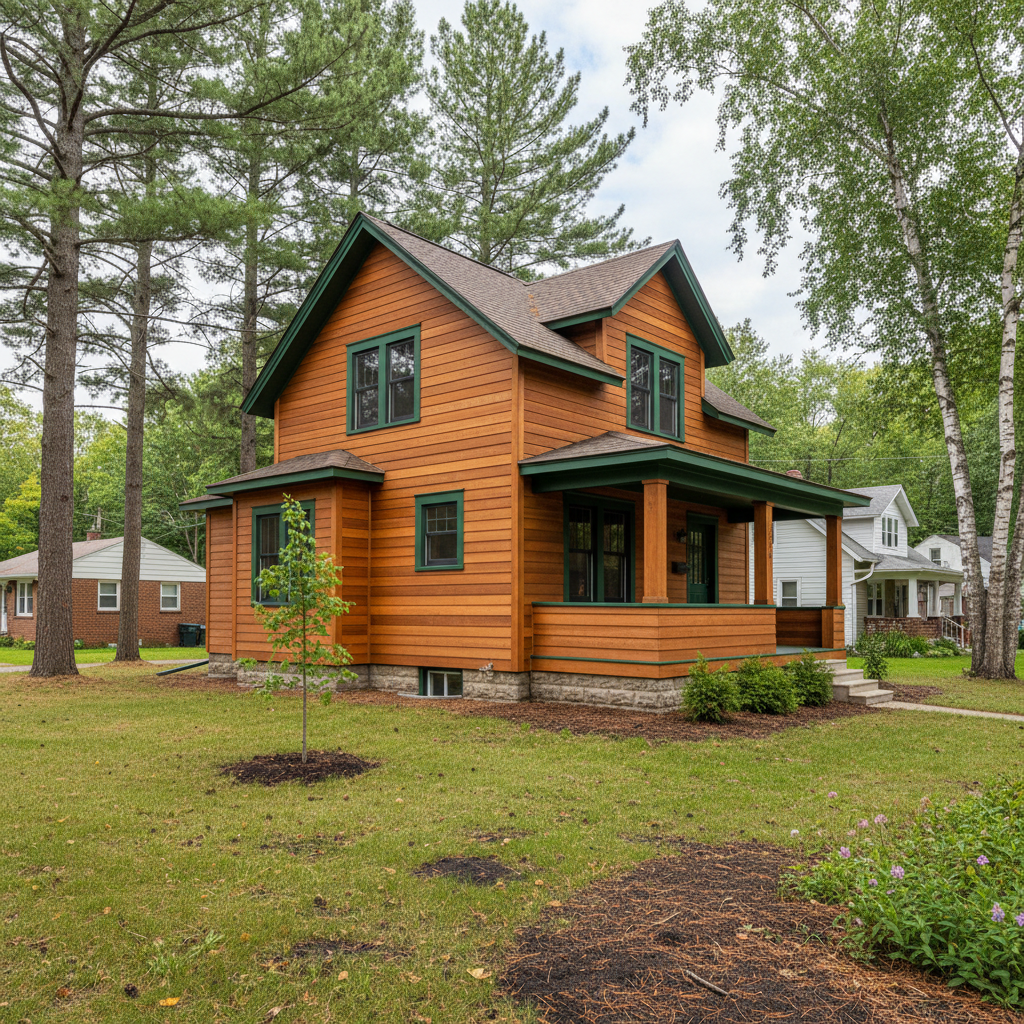
You love the look of wood siding, don't you? There's just something about it that feels right, especially up here in Northern Minnesota. It's got character, warmth, and it really suits a lot of the homes we see around Cloquet—from those old charmers in the East End to the newer builds out by Big Lake.
But let's be real: wood siding isn't like vinyl or fiber cement. It needs a bit more love, and it reacts differently to our crazy weather. I've seen it all over the years, and if you're considering wood for your place, you've gotta understand what you're getting into. And why local expertise really matters, too.
The Good and the Not-So-Good of Wood Siding
First off, why do people pick wood? Aesthetics, plain and simple. It's beautiful. You can stain it, paint it, or just let it weather naturally to a nice silver-gray. It's a natural insulator, too, which is a big bonus when those winter winds come howling down from Canada. Plus, it's a renewable resource, which some folks really appreciate.
Now for the flip side, especially for us here in Cloquet. Wood needs maintenance. It's not a set-it-and-forget-it kind of material. We get some serious temperature swings, you know, from scorching humid summers to brutal, dry winters. That constant expansion and contraction can really take a toll. Then there's the moisture. Our springs are wet, our falls can be damp, and snow often piles up against foundations. All that moisture is wood's enemy number one.
Our Cloquet Climate: A Real Test for Wood
Think about it: we're dealing with long, cold winters where the wood can dry out. Then spring thaws and summer humidity make it swell. This constant movement can lead to cracking, splitting, and paint failure if it's not prepped and installed right. And let's not forget the ice dams. If your gutters aren't doing their job, or if the roofline isn't designed well, that melting snow and ice can sit against your siding, causing rot and mildew.
I've seen homes in the Fond du Lac neighborhood, especially those older ones closer to the river, where moisture management is a constant battle. The soil can be a bit heavier there, holding more moisture, and if the grading isn't right, water just sits. That's a recipe for trouble with wood siding if you're not careful, believe me.
Common Wood Siding Types We See
Around here, you'll mostly run into a few types:
- Cedar: This is a popular one, especially red cedar. It's naturally resistant to rot and insects because of its oils. It weathers beautifully, too. But it's not cheap, and it still needs a good finish to protect it from our elements.
- Pine or Spruce: More affordable, but these need more protection. They're softer and more prone to rot and insect damage if not properly treated and maintained. You'll often see these painted.
- Hardboard/Engineered Wood: Not solid wood, but made from wood fibers, resin, and wax. It's more stable than solid wood and often comes pre-primed or pre-finished. It's a good option if you want the look without some of the fuss, but installation has to be spot on to prevent moisture intrusion at the seams.
Maintenance is Key, Folks
If you've got wood siding, or you're planning to install it, maintenance isn't optional. It's a must. You'll need to clean it regularly to prevent mildew and dirt buildup. Repainting or re-staining every 5-10 years, depending on the product and exposure, is pretty standard. You've got to keep an eye out for any soft spots, cracks, or peeling paint and address them quickly. Small problems become big, expensive ones fast when it comes to wood and water.
Why Local Expertise Matters for Wood Siding
This isn't just about nailing boards to a wall. It's about understanding how those boards will react to Cloquet's specific climate. A contractor from down south might not get the nuances of our freeze-thaw cycles, the intensity of our sun reflecting off snow, or the sheer amount of moisture we deal with. We know about proper flashing techniques for our heavy snow loads, the best primers and paints that stand up to our winters, and how to deal with potential issues like carpenter ants that love damp wood.
When we at Classic Siding Solutions take on a wood siding project, we're not just thinking about how it looks today. We're thinking about how it's going to hold up for years to come against everything Mother Nature throws at it here in Cloquet. We consider things like proper ventilation behind the siding, the right type of fasteners that won't rust and bleed, and making sure all cuts and ends are sealed properly. It's all about preventing those common problems before they even start.
So, if you love wood siding, go for it! It's a beautiful choice. Just make sure you're working with someone who knows our area and understands what it takes to make that wood last in our neck of the woods.